
Your shopping cart is currently empty.
April 27, 2026 - What To Test For on Blood Tests

April 27, 2026 Puzzle Piece
What To Test For on Blood Tests
Patients
and doctors alike ask me frequently, what blood tests do we need to
request for to thoroughly evaluate the patient. Fortunately, when using
the OHS service the most important tests are automatically used. A
very useful report is generated for you and the patient to know how to
proceed for the best plan of action.
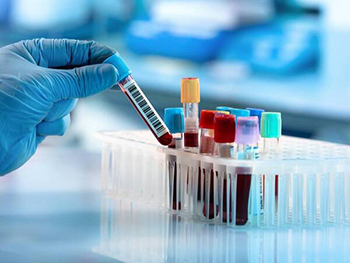
Below I have listed the names and inclusions of groups of tests and what they test for:
Complete Blood Count (CBC)
A complete blood count (CBC) looks at the different cells that make up whole blood. A CBC can inform the doctor if the body is making the appropriate number of each type of cell, and it can also reflect signs of a current or recent infection, bleeding, or clotting issues.
After surgery, the doctor may order this test to see if a blood transfusion is warranted or to evaluate for infection.
A CBC includes:
Heart Disease and Cholesterol
Most healthy adults should have their cholesterol checked at least annually. You may need these tests more frequently if you have a family history of heart disease or other risk factors.
A cholesterol screening is a blood test that checks the following levels:
I feel it necessary to order one or more thyroid tests if you have signs of an underactive or overactive thyroid gland.
The thyroid stimulating hormone (TSH) test is typically done first. TSH is made in the pituitary gland and tells the thyroid gland how much T4 (thyroxine) and T3 (triiodothyronine) hormones to make.
High TSH typically means you have hypothyroidism. If you get this result, you may be given a T4 blood test to confirm a diagnosis of hypothyroidism. Conversely, low TSH typically means you have hyperthyroidism. To confirm this diagnosis, your provider may order a T3 blood test.
Some providers order both a T4 and a T3 test to rule out other possible causes of an abnormal TSH test. For example, your thyroid hormone levels may be higher if you are pregnant or taking corticosteroids to treat another medical condition.
Hormone Levels
Blood tests are commonly done to diagnose issues related to reproductive hormones, particularly estrogen (also called estradiol) and testosterone.
Females may need an estrogen blood test if their provider suspects an issue related to puberty, menstruation, pregnancy, or menopause. The test may be done to see if a female is responding to fertility treatment. It may also be ordered for males experiencing late puberty or abnormal breast growth.
In males, a testosterone blood test may be done to help diagnose infertility, erectile dysfunction, low libido, and more. In females, a testosterone blood test can help diagnose the cause of excessive hair growth (hirsutism), abnormal menstrual periods, hair thinning, and more.
A progesterone blood test is often ordered for females who experience repeated miscarriages, or to determine the risk of miscarriage in early pregnancy. Progesterone plays a crucial role in pregnancy.
Diabetes
If you have diabetes or your healthcare provider suspects you might, they will likely order one or more blood tests to check your blood sugar (glucose). Blood tests will confirm a diagnosis of prediabetes, type I diabetes, type II diabetes.
The different types of blood tests for analyzing blood sugar include:
What Is a Normal Blood Sugar Level in the Body?
It depends on the blood test. After fasting, a glucose level of 99 mg/dL or lower is considered normal. After a glucose tolerance test, a normal level is 140 mg/dL or lower. Normal results for a gestational diabetes blood test may differ.
Nutritional Deficiencies
Severe nutritional deficiencies can lead to a number of problems, including intellectual impairments, poor wound healing, poor growth, and perinatal complications, as well as a higher risk of death due to all causes.
Blood tests can be used to detect deficiencies in the following vitamins and minerals:
I personally like to have myself tested at least twice per year to keep tabs on my health markers. I also use Applied Kinesiology to evaluate my body, functions and needs at every adjustment or treatment session. We teach and use priority testing and treatment to know what needs structural, nutritional and emotional support.
We have set the next Certification Seminar for November 5 - 7 - 2026.
See you there!
Yours in Health and Wellness,
John W Brimhall, DC, BA, BS, FIAMA, DIBAK, Formulator, Patent Holder
Below I have listed the names and inclusions of groups of tests and what they test for:
Complete Blood Count (CBC)
A complete blood count (CBC) looks at the different cells that make up whole blood. A CBC can inform the doctor if the body is making the appropriate number of each type of cell, and it can also reflect signs of a current or recent infection, bleeding, or clotting issues.
After surgery, the doctor may order this test to see if a blood transfusion is warranted or to evaluate for infection.
A CBC includes:
- White blood cell count (WBC): WBCs, also called leukocytes, help your body fight infection.
- Red blood cell count (RBC): Also called erythrocytes, RBCs carry oxygen to your tissues.
- Platelet count: Also known as thrombocytes, platelets form clots to stop bleeding.
- Hemoglobin: This protein in red blood cells delivers oxygen to your tissues.
- Hematocrit: This is the volume percentage of red blood cells in the blood.
Heart Disease and Cholesterol
Most healthy adults should have their cholesterol checked at least annually. You may need these tests more frequently if you have a family history of heart disease or other risk factors.
A cholesterol screening is a blood test that checks the following levels:
- LDL cholesterol: Also known as the "bad" cholesterol.
- HDL cholesterol: Also known as the "good" cholesterol.
- Triglycerides: A type of fat in the blood, higher levels of which increase the risk of heart disease.
- Total cholesterol: A measurement of LDL, HDL, and triglycerides combined.
- Lipoprotein A (Lpa): High levels of Lp(a) increase your risk of heart attack and stroke.
- C-reactive protein (CRP): This protein is produced by the liver in response to inflammation. High levels of CRP often indicate atherosclerosis—the buildup of cholesterol plaque in arterial walls.
- Homocysteine: Too much homocysteine, an amino acid, raises your risk of heart attack or stroke. This test is often ordered for people who have a family history of heart disease but no other known risk factors.
I feel it necessary to order one or more thyroid tests if you have signs of an underactive or overactive thyroid gland.
The thyroid stimulating hormone (TSH) test is typically done first. TSH is made in the pituitary gland and tells the thyroid gland how much T4 (thyroxine) and T3 (triiodothyronine) hormones to make.
High TSH typically means you have hypothyroidism. If you get this result, you may be given a T4 blood test to confirm a diagnosis of hypothyroidism. Conversely, low TSH typically means you have hyperthyroidism. To confirm this diagnosis, your provider may order a T3 blood test.
Some providers order both a T4 and a T3 test to rule out other possible causes of an abnormal TSH test. For example, your thyroid hormone levels may be higher if you are pregnant or taking corticosteroids to treat another medical condition.
Hormone Levels
Blood tests are commonly done to diagnose issues related to reproductive hormones, particularly estrogen (also called estradiol) and testosterone.
Females may need an estrogen blood test if their provider suspects an issue related to puberty, menstruation, pregnancy, or menopause. The test may be done to see if a female is responding to fertility treatment. It may also be ordered for males experiencing late puberty or abnormal breast growth.
In males, a testosterone blood test may be done to help diagnose infertility, erectile dysfunction, low libido, and more. In females, a testosterone blood test can help diagnose the cause of excessive hair growth (hirsutism), abnormal menstrual periods, hair thinning, and more.
A progesterone blood test is often ordered for females who experience repeated miscarriages, or to determine the risk of miscarriage in early pregnancy. Progesterone plays a crucial role in pregnancy.
Diabetes
If you have diabetes or your healthcare provider suspects you might, they will likely order one or more blood tests to check your blood sugar (glucose). Blood tests will confirm a diagnosis of prediabetes, type I diabetes, type II diabetes.
The different types of blood tests for analyzing blood sugar include:
- Glucose screening test: You will be asked to drink a liquid containing glucose and will then have your blood drawn one hour later. This test is normally done in pregnant people between 24 and 28 weeks of pregnancy.
- Fasting blood sugar test: This test is a measurement of your blood sugar after fasting (not eating) overnight.
- Hemoglobin A1C (HbA1c) test: The HbA1c is a test that shows what your average glucose level was over the previous two to three months. People with diabetes should get this test at least twice per year.
What Is a Normal Blood Sugar Level in the Body?
It depends on the blood test. After fasting, a glucose level of 99 mg/dL or lower is considered normal. After a glucose tolerance test, a normal level is 140 mg/dL or lower. Normal results for a gestational diabetes blood test may differ.
Nutritional Deficiencies
Severe nutritional deficiencies can lead to a number of problems, including intellectual impairments, poor wound healing, poor growth, and perinatal complications, as well as a higher risk of death due to all causes.
Blood tests can be used to detect deficiencies in the following vitamins and minerals:
- Magnesium
- Iron
- Folate
- Vitamin B12
- Vitamin D
I personally like to have myself tested at least twice per year to keep tabs on my health markers. I also use Applied Kinesiology to evaluate my body, functions and needs at every adjustment or treatment session. We teach and use priority testing and treatment to know what needs structural, nutritional and emotional support.
We have set the next Certification Seminar for November 5 - 7 - 2026.
See you there!
Yours in Health and Wellness,
John W Brimhall, DC, BA, BS, FIAMA, DIBAK, Formulator, Patent Holder
6 Steps to Wellness Certification | November 5th - 7th, 2026
Dr. Brimhall's Six Steps to Wellness Protocol™ Will Include:
STRUCTURE
Step 1: Re-establish Structural Integrity, The Foundation of Health.
ELECTRICAL POLLUTION
Step 2: Rebalance Electromagnetics
NUTRITION
Step 3: Rebalance Nutrition
ALLERGIES AND SENSITIVITIES
Step 4: Reprogram the body for any Allergy or Sensitivity
EMOTIONS AND STRESS
Step 5: Re-evaluate Emotional Patterns & Remove Limiting Belief Systems
TOXICITY
Step 6: Remove Heavy Metals and Other Toxins from the Body
Price: $2,000.00 per person (only 20 seats available)
Seminar Location:
Dr. Brett Brimhall
2323 E. Guadalupe Rd. Suite 102 Gilbert, AZ 85234
Closest Hotel:
The Holiday Inn Express
5285 E. Baseline Rd Gilbert, AZ 85234
Hotel Phone: 480-218-8000
Call (866) 338-4883 to Register

Customer Reviews
