
Your shopping cart is currently empty.
February 23, 2026 - Early detection of micronutrient deficiencies reduces neuro-degenerative disease risk, study says.

February 23, 2026 Puzzle Piece
Early detection of micronutrient deficiencies reduces neuro-degenerative disease risk, study says.

In today’s toxic world, exacerbated by nutrient-deficient processed foods, obtaining critical nutrients from supplements is literally a life-saver for many people.
This was demonstrated dramatically during the Covid pandemic when study after study showed nutrient-deficient individuals had much worse outcomes when contracting the disease.
Now a new study has documented how early detection of micronutrient deficiencies can provide protection from neurodegenerative diseases. Their advice? Get tested and take a multi-vitamin/mineral.
Neurodegenerative diseases
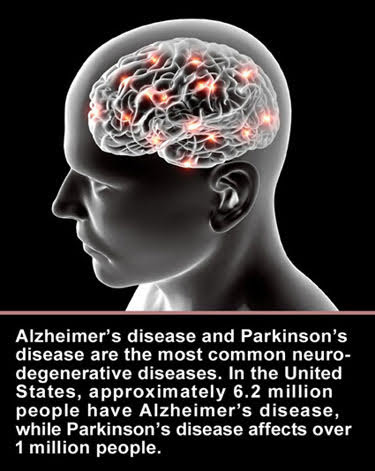
“Neurodegenerative disease” is an umbrella term for a range of conditions which primarily affect the neurons in the human brain. A decline in cognitive functioning is a common symptom of all neurodegenerative diseases. The conditions are typically brought on by age, but not always.
Alzheimer’s disease is probably the most recognized of neurodegenerative diseases; however, the list includes multiple sclerosis, Parkinson’s disease, Huntington’s disease, multiple system atrophy, amyotrophic lateral sclerosis, and prion diseases.
According to the new research, published in Nutrients in September 2023, early detection of micronutrient deficiencies was demonstrated to “significantly improve the clinical prognosis” for patients with neurodegenerative diseases.
Micronutrients have a crucial and irreplaceable role in intermediary metabolism,” the researchers wrote in the study’s conclusions. “They are an integral part of the therapy of neurological disorders for their neuroprotective, antioxidant, and anti-inflammatory effects.”
The study, a systematic review, was conducted in the Czech Republic and included 105 citations of existing research. The study was supported by the National Institute for Neurological Research and was funded by the European Union.
Micronutrients
Micronutrients are essential dietary elements, including vitamins and minerals, that are required by humans in varying amounts to facilitate normal biological functions and health.
While macronutrients—
Daily intake for most vitamins is measured in milligram quantities, and intake for minerals is typically smaller still—measured in microgram amounts. Still most people do not obtain an adequate intake.
Studies show nine out of 10 people are deficient in at least one nutrient, and half the population are deficient in several nutrients.
The researchers noted that the existing studies clearly established the role of long-term abnormal levels of micronutrients in the development of some neurological diseases. And, though only small amounts of micronutrients are needed, when levels are low the consequences can be severe.
“The main function of micronutrients is their catalytic effect in enzyme systems, either as cofactors or as components of metalloenzymes. Other essential roles of micronutrients are antioxidant activity, modulation of cellular immunity, and tissue healing, either directly or by using substances created through their induction,” the researchers wrote in the study findings.
Relative to neurological disorders, the researchers found the vitamins that are especially concerning when plasmatic levels are low are vitamins A, B, C, D, and E. On the mineral front, the researchers noted that selenium, copper, and zinc are the micronutrients to ensure homeostasis.
The researchers noted that a multi-vitamin/mineral provided the best therapeutic potential, compared to the stand-alone vitamin options: “Multiple signaling pathways capable of boosting the antioxidative response are involved in the multivitamin approach. It is also possible that such adjuvant agents are most effective for prevention rather than treatment.”
Nutritional testing saves lives
While the current study highlights nutrient deficiencies as biomarkers for cognitive disorders, these same deficiencies are also biomarkers for many other health conditions—including heart disease, diabetes and cancer.
Nutritional testing that identifies these biomarkers can equip the consumer with the knowledge they need to make appropriate lifestyle changes and specific nutrient intake adjustments. Nutritional testing, such as the Nutrients Rx Bloodwork & Questionnaire by Optimal Health Systems can provide comprehensive lab work to test more than 200 biomarkers.
In the U.S., “healthcare” is concentrated on treatment of symptoms, with only 3% of healthcare spending going towards preventative health.
Test for and treat with Opti-Brain, Opti-Metals and Opti-Enviro.


We have set the next Certification Seminar for April 2026.
See you there!
Yours in Health and Wellness,
John W Brimhall, DC, BA, BS, FIAMA, DIBAK, Formulator, Patent Holder
6 Steps to Wellness Certification | April 9th - 11th, 2026
Dr. Brimhall's Six Steps to Wellness Protocol™ Will Include:
STRUCTURE
Step 1: Re-establish Structural Integrity, The Foundation of Health.
ELECTRICAL POLLUTION
Step 2: Rebalance Electromagnetics
NUTRITION
Step 3: Rebalance Nutrition
ALLERGIES AND SENSITIVITIES
Step 4: Reprogram the body for any Allergy or Sensitivity
EMOTIONS AND STRESS
Step 5: Re-evaluate Emotional Patterns & Remove Limiting Belief Systems
TOXICITY
Step 6: Remove Heavy Metals and Other Toxins from the Body
Price: $2,000.00 per person (only 20 seats available)
Seminar Location:
Dr. Brett Brimhall
2323 E. Guadalupe Rd. Suite 102 Gilbert, AZ 85234
Closest Hotel:
The Holiday Inn Express
5285 E. Baseline Rd Gilbert, AZ 85234
Hotel Phone: 480-218-8000
Call (866) 338-4883 to Register
Customer Reviews
